
From The NZ GLP-1 Brief
SUPPLEMENTS
Seven of the most popular supplements, and what the evidence actually says about each. Why people take them, why they come up for people eating less on a GLP-1 medicine, and who should be careful. We don't sell supplements, link to products or take supplement advertising.
General information, not advice. Supplements can interact with medicines. Talk to your doctor or pharmacist before starting one, especially if you take other medicines, are pregnant, or have a kidney or liver condition.
At a glance
| Supplement | Why people take it | Evidence for the main claim | Main caution |
|---|---|---|---|
| Multivitamins | Why people take itTo cover gaps when eating less | Evidence for the main claimInsufficient for disease prevention; might help some groups | Main cautionExcess vitamin A, iron or zinc; warfarin and vitamin K |
| Vitamin D | Why people take itLow winter sun in NZ; bone health | Evidence for the main claimStrong for preventing rickets and osteomalacia; no overall effect on cancer or heart disease in VITAL | Main cautionToo much is harmful; can interact with some medicines |
| Omega-3 (fish oil) | Why people take itHeart, joint and brain health | Evidence for the main claimMixed for supplements; stronger for eating fish | Main cautionCheck first if you take blood thinners; heart-rhythm signal at high intakes |
| Magnesium | Why people take itSleep, cramps, constipation | Evidence for the main claimLimited for sleep and cramps; correcting deficiency is established | Main cautionDiarrhoea; caution in kidney disease; can interact with some medicines |
| Zinc | Why people take itColds and immune support | Evidence for the main claimSome studies on colds; correcting deficiency matters | Main cautionLong-term high intake causes copper deficiency; too much causes nausea |
| Creatine | Why people take itStrength and muscle with training | Evidence for the main claimStrong when combined with resistance training | Main cautionCan add water weight; can raise creatinine on blood tests |
| Whey protein | Why people take itEasy protein when appetite is small | Evidence for the main claimStrong that protein matters during weight loss; whey is one convenient source | Main cautionDairy intolerance; not needed if food covers it |
The seven guides
Supplements · 5 Nov 2026
Multivitamins: what they can and can't do when you're eating less
Why multivitamins come up for people eating much less on a GLP-1 medicine, what the evidence shows, and what to check before taking one.

Supplements · 5 Nov 2026
Vitamin D: the New Zealand winter supplement
Why vitamin D is common in New Zealand, what it does and doesn't do in trials, the official upper limit, and why a blood test matters.
Supplements · 5 Nov 2026
Omega-3 (fish oil): heart health claims, checked
What omega-3 fats are, why the evidence for fish-oil capsules is weaker than for eating fish, and the cautions with blood thinners.
Supplements · 5 Nov 2026
Magnesium: sleep, cramps and constipation, checked
Why magnesium is popular, what the evidence supports, why it can affect your gut, and who should be careful.
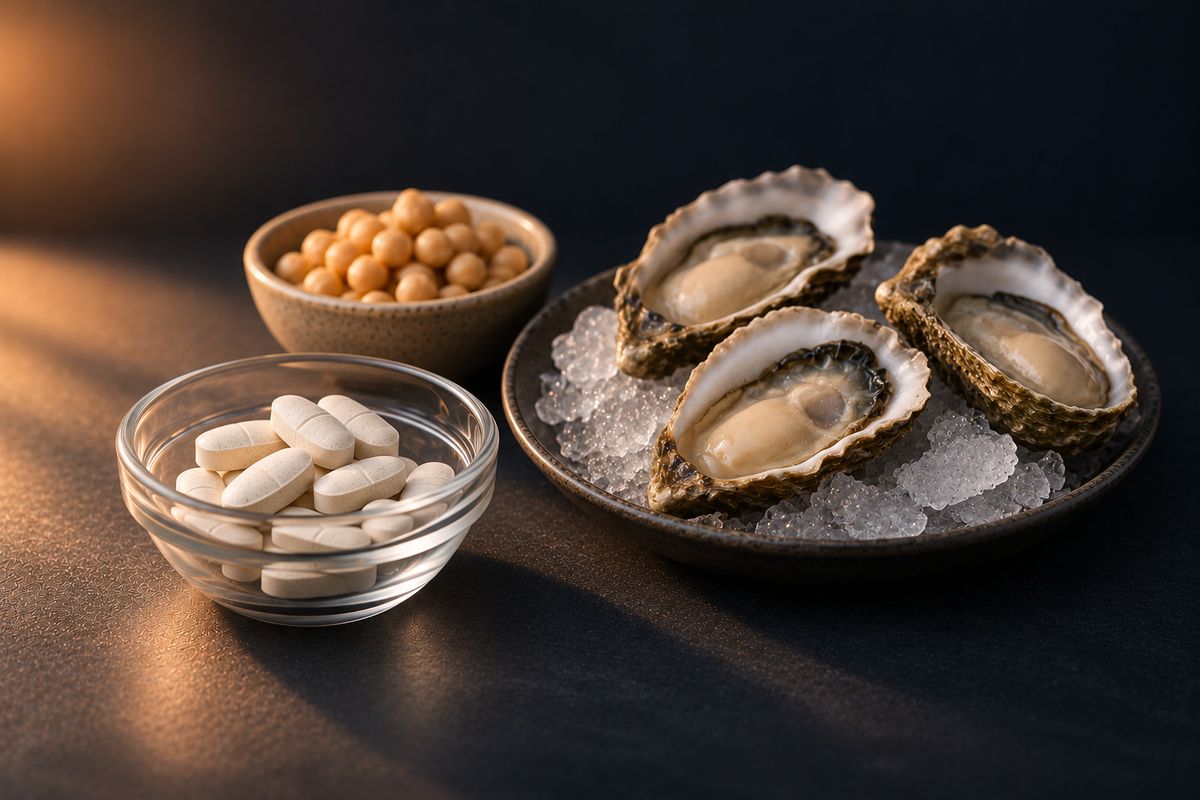
Supplements · 5 Nov 2026
Zinc: immunity claims, and the copper catch
What zinc does, why the evidence outside deficiency is thin, and why long-term high intakes can cause copper deficiency.
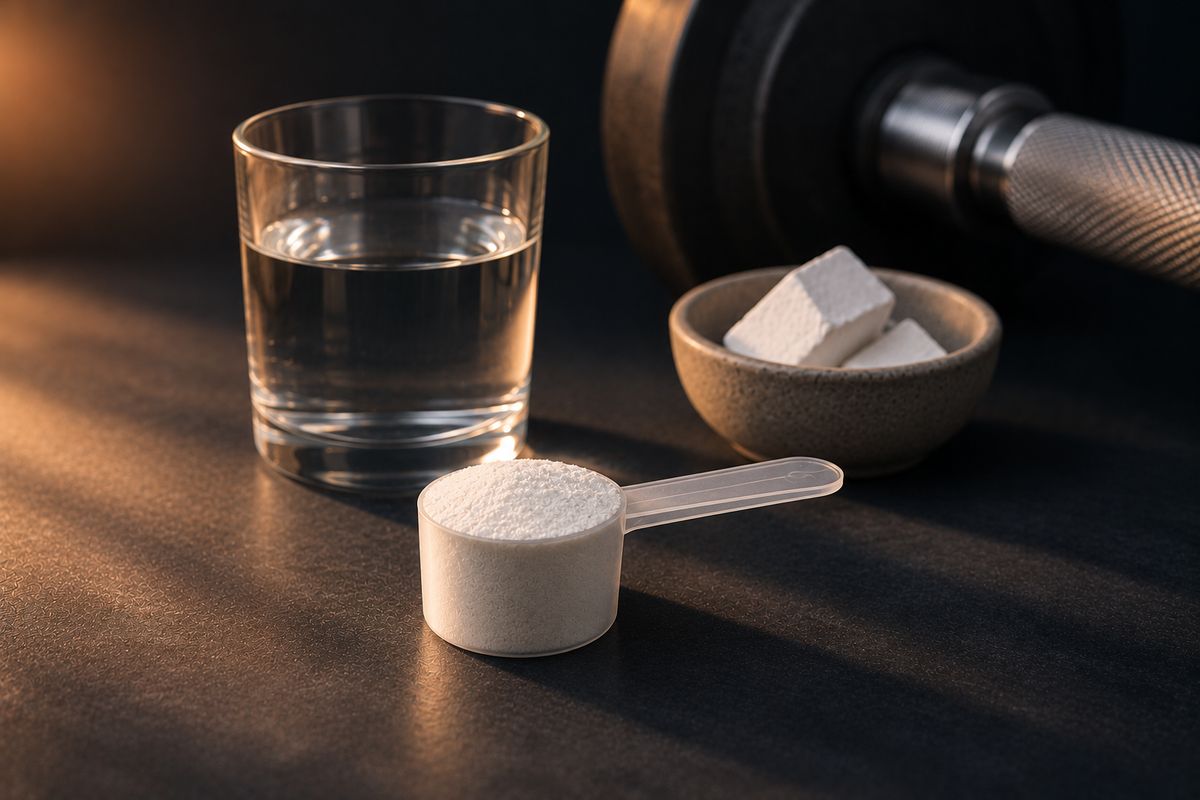
Supplements · 5 Nov 2026
Creatine: one of the most-studied supplements in sport
What creatine does, why the evidence with resistance training is strong, why it adds water weight, and why it can change a blood test.
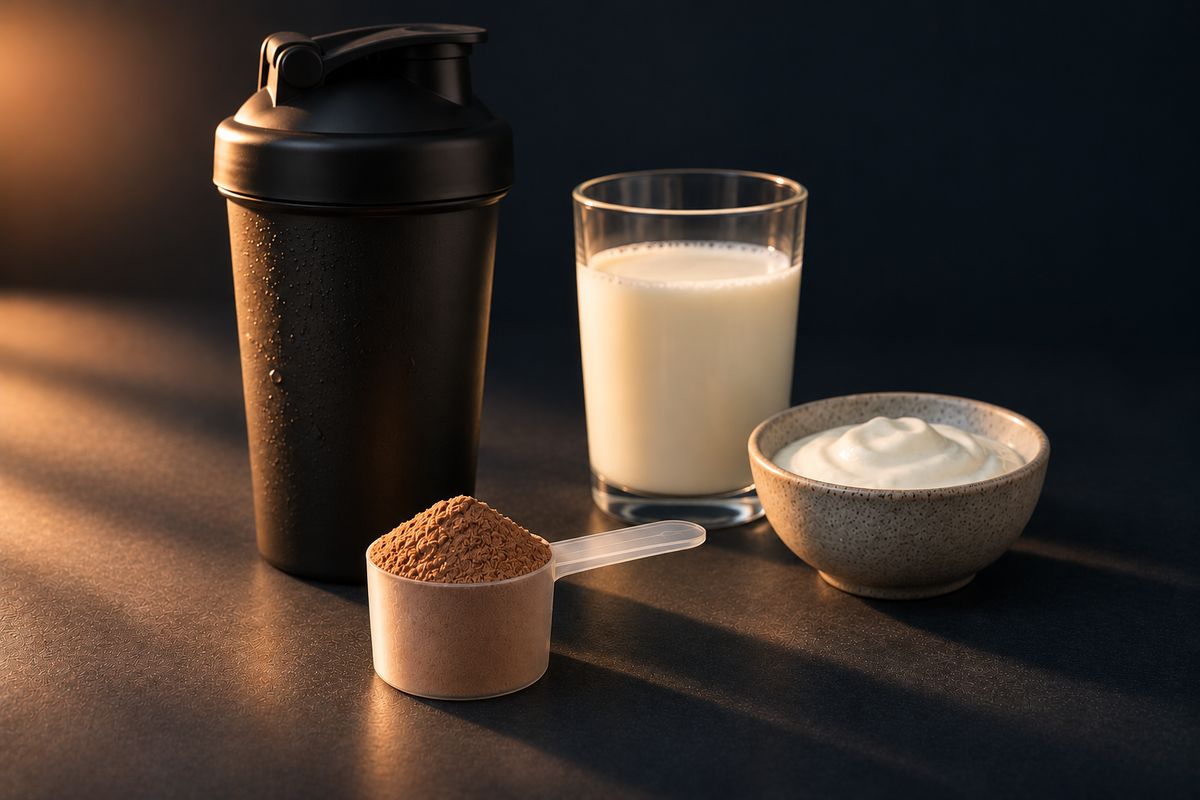
Supplements · 5 Nov 2026
Whey protein: a convenient source, not a requirement
What whey protein is, why it comes up when appetite is small, what the evidence says about protein during weight loss, and who should skip it.
General information, not advice. Supplements can interact with medicines. Talk to your doctor or pharmacist before starting one, especially if you take other medicines, are pregnant, or have a kidney or liver condition.
The NZ GLP-1 Brief
GLP-1 news for New Zealand, every month
Medsafe and Pharmac decisions, new trial results, and what each one means here. Checked against primary sources. Free, and you can unsubscribe in one click.
We’ll email you a link to confirm. We use your email only to send this newsletter. We never share it with advertisers or social media platforms. See our privacy policy.
Recomp Health does not prescribe, supply or recommend any medication. This is independent editorial content — educational information, not medical advice. Talk to a qualified health professional before starting, changing or stopping any medication.